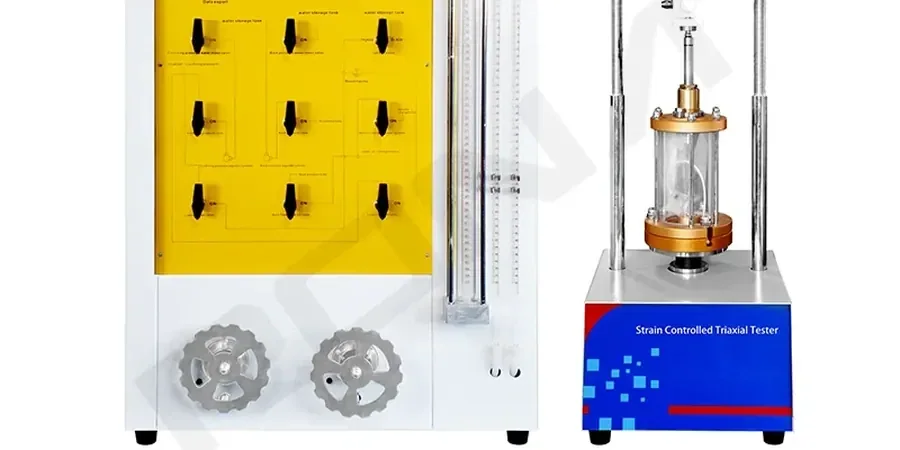
In Calgary's demanding geotechnical environment, comprehensive laboratory testing forms the backbone of every successful construction and infrastructure project. The Laboratory category encompasses a full spectrum of soil and material testing services designed to characterize subsurface conditions with precision and reliability. From routine index testing to advanced strength and consolidation analyses, these services provide engineers with the quantitative data needed to make informed decisions about foundation design, slope stability, and earthwork specifications. The unique geological context of the Calgary region—shaped by glacial activity, river valley erosion, and variable bedrock conditions—makes laboratory verification essential for mitigating risks associated with expansive clays, collapsible soils, and variable till deposits.
Calgary's subsurface profile is dominated by glacial till, lacustrine clays, and alluvial deposits overlying Cretaceous bedrock, primarily the Porcupine Hills and Paskapoo formations. These materials exhibit significant spatial variability in grain size distribution, plasticity, and consolidation characteristics. The soil classification process, following the Unified Soil Classification System (USCS) and AASHTO standards, is typically the first step in any investigation, establishing the fundamental framework for understanding engineering behavior. In areas like the Bow River valley and its tributaries, residual soil characterization becomes particularly important where weathering has altered bedrock properties, creating transitional materials that require specialized testing protocols beyond standard index methods.
Canadian geotechnical practice adheres to national standards, primarily the CSA A23 series and ASTM International methods adopted across the country. In Alberta, laboratory testing must align with the Alberta Transportation specifications when working on provincial infrastructure, as well as the City of Calgary's design guidelines for municipal projects. Grain size analysis combining sieve and hydrometer methods is fundamental for assessing drainage characteristics and frost susceptibility—critical factors in Calgary's freeze-thaw climate. For structural load-bearing considerations, the oedometer consolidation test provides essential parameters for estimating settlement magnitudes and rates in compressible clay strata common to the region's glacial lake deposits.
The types of projects requiring laboratory testing in Calgary span residential subdivisions in developing areas like Seton and Livingston, commercial towers in the downtown core, and major infrastructure including the Green Line LRT expansion and ring road completions. Each project type demands a tailored testing program: high-rise foundations rely on triaxial and direct shear strength parameters, while roadway embankments require Proctor compaction standards for quality control. Environmental site assessments often integrate laboratory analysis with field investigations to delineate contamination and assess remediation options. The laboratory serves as the definitive source of data that validates design assumptions and ensures compliance with the National Building Code of Canada and Alberta Building Code requirements.
Turnaround times vary by test type and laboratory workload. Routine index tests like moisture content and grain size analysis typically require 3 to 5 business days. Consolidation and triaxial tests, which involve longer procedures, may need 7 to 14 days. Expedited services are often available for time-sensitive projects, and Calgary laboratories generally coordinate schedules during peak construction season to manage demand effectively.
For Calgary's variable glacial till and clay deposits, consolidation testing is essential for settlement analysis, while triaxial or direct shear tests provide strength parameters for bearing capacity calculations. Soil classification establishes the basic framework, and grain size analysis informs drainage design. The specific combination depends on foundation type, loading conditions, and the depth of the bearing stratum relative to problematic surficial soils.
Canadian laboratories follow CSA and ASTM standards, with additional provincial specifications from Alberta Transportation and municipal guidelines from the City of Calgary. These standards govern sample preparation, test methods, equipment calibration, and reporting formats. Adherence ensures consistency and reliability, allowing test results to be confidently used in designs that comply with the National Building Code of Canada and local regulations.
Reputable Calgary laboratories maintain accreditation through programs like the Canadian Council of Independent Laboratories (CCIL). Quality assurance includes regular equipment calibration, proficiency testing, duplicate sample analysis, and technician certification. Documentation of chain of custody, sample storage conditions, and adherence to standardized procedures ensures traceability and defensibility of results for regulatory submissions and design decisions.